Meet in DCU – Knowing how to book and plan the perfect conference can make the entire process easier for your organising team and create a better experience for your delegates. From choosing your date and venue to arranging speakers, technology, catering and registration, there are several decisions to make before anyone arrives on the day.
Breaking the conference into clear planning stages can make a large event feel much more manageable.
Meet in DCU provides conference and meeting spaces at Dublin City University, giving organisers a flexible option when planning professional events in Dublin.
Here is where to start.
Decide What You Want the Conference to Achieve
Before choosing a date or venue, define the purpose of your conference.
What should attendees know, feel or do after the event?
You could be planning an annual company conference, industry event, training day, academic conference or client gathering.
Your purpose should guide the programme.
For example, if networking is important, you will need enough time and space for people to talk.
If the main goal is training, smaller workshop areas could be more useful.
If you are sharing company updates, a strong main presentation space may be the priority.
Write down your main objectives before moving to the next stage.
Set Your Budget
Your budget affects most conference decisions.
Include your main costs from the beginning so there are fewer surprises later.
These might include:
- Venue
- Catering
- Technology
- Speakers
- Marketing
- Photography
- Printed materials
- Travel
- Accommodation
You should also keep part of your budget available for unexpected costs.
Decide which areas matter most.
For example, you may want to prioritise technology and catering while keeping printed materials to a minimum.
Having these priorities clear can make later decisions easier.
Estimate Your Attendance
You may not know the exact number of delegates when booking the venue.
You should still have a realistic estimate.
Look at previous events or the size of your invitation list.
Consider how many people you genuinely expect to attend rather than choosing your room based on the highest possible number.
A space that is too large can make an event feel empty.
A space that is too small can make delegates uncomfortable.
Discuss your estimated attendance with the venue team and ask what flexibility is available if numbers change.
Choose Your Date
Dates can have a major impact on attendance.
Check your own organisation’s calendar as well as any important industry dates.
Avoid periods when large numbers of your target audience are likely to be unavailable.
It also helps to have alternative dates when speaking to venues.
If a speaker is particularly important to your programme, you may want to check their availability before confirming the final date.
Once the date is agreed, you can begin building the rest of your conference around it.
Book the Right Venue
Your venue is one of the biggest decisions you will make.
Think beyond how many people fit in the main room.
Consider the complete event.
Where will delegates register?
Where will they have lunch?
Do you need breakout rooms?
Will you have exhibitors?
Do speakers need a preparation area?
How will attendees move between sessions?
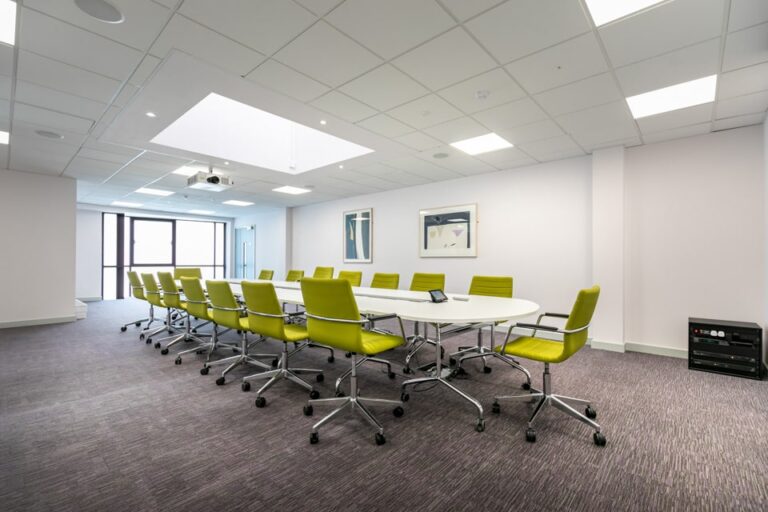
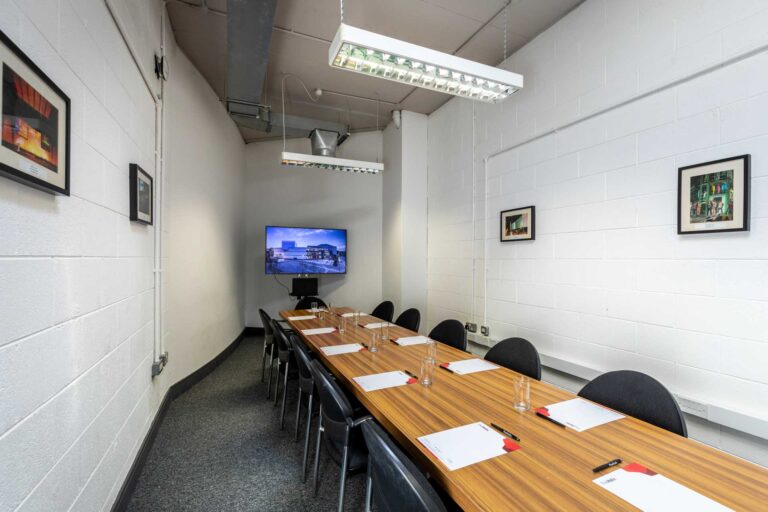
Meet in DCU offers a range of spaces at Dublin City University that can support different conference formats.
Giving the venue team as much information as possible about your event will help them recommend suitable options.
Build Your Programme
Once your venue and date are confirmed, start creating the programme.
Begin with the most important sessions.
These could include keynote presentations, panels, workshops and group discussions.
Then add breaks.
Avoid trying to fit too much into one day.
Delegates need time to process information, speak to other attendees and move between rooms.
You should also give speakers enough time for questions.
If sessions run one after another with no flexibility, one presentation going over time can affect the rest of the schedule.
Leave small gaps where possible.
Confirm Your Speakers
Speakers should receive clear information about the conference.
Tell them who the audience will be, what you would like them to discuss and how much time they have.
Confirm when they should arrive and what technology will be available.
Collect presentations in advance.
If several speakers are using slides, having all files saved on one device can make changeovers much faster.
Remote speakers should also complete a test call before the conference.
Plan Your Technology
Technology should support your conference without becoming the focus of it.
Think about how each session will run.
Presentations may require screens and microphones.
Panel discussions could need several microphones.
Hybrid sessions may involve cameras and video conferencing equipment.
Speak to the venue team about the format rather than making assumptions about the equipment you need.
It can also be useful to arrange a technical check before registration begins.
Organise Catering
Food and refreshments play a bigger role in conferences than organisers sometimes expect.
People attending a full day event will need breaks.
Tea and coffee on arrival can create a more relaxed registration period.
Morning refreshments, lunch and an afternoon break can divide the programme into manageable sections.
Collect dietary requirements when delegates register.
Give this information to your venue team in advance.
Catering also creates networking opportunities, so think about where people will eat and how much time you give them.
Create a Simple Registration Process
Registration should be straightforward.
Ask attendees only for the information you need.
This could include their name, email address, organisation and dietary requirements.
If they need to choose workshops, include those options during registration.
Send confirmation after they book.
Closer to the event, send another email containing practical details.
Include the start time, venue location, transport information and programme.
Delegates should not have to contact you to find basic information.
Create Your Final Event Plan
A final conference plan can help everyone involved understand how the day will run.
Include:
- Contact details
- Delegate numbers
- Registration times
- Room allocations
- Speaker timings
- Catering schedule
- Technology requirements
- Staff responsibilities
Share the relevant details with your own team and the venue.
Every person helping on the day should know what they are responsible for.
Arrive Before Your Delegates
Give yourself enough time at the venue before registration begins.
Walk through the spaces.
Check signage.
Test presentations.
Speak to your venue contact.
Confirm catering timings.
If speakers have already arrived, check that they know where they need to go.
You are far more likely to solve a problem easily before hundreds of delegates are in the building.
Review the Conference Afterwards
Once the event is finished, take time to review it.
Ask delegates for feedback.
Keep your questions focused so people are more likely to respond.
Discuss the event with your own team as well.
Did attendance match expectations?
Did the programme run on time?
Which sessions generated the strongest response?
What would you change next time?
This information gives you a stronger starting point for your next conference.
Book Your Conference With Meet in DCU
Understanding how to book and plan the perfect conference comes down to preparation, realistic scheduling and choosing a venue that supports what you want to achieve.
Meet in DCU provides conference and meeting facilities at Dublin City University for organisations planning professional events in Dublin.
With spaces suitable for different group sizes and conference formats, you can create a programme around your delegates, speakers and business objectives.
If you are beginning to plan your next conference, contact Meet in DCU to discuss your date, delegate numbers and event requirements.