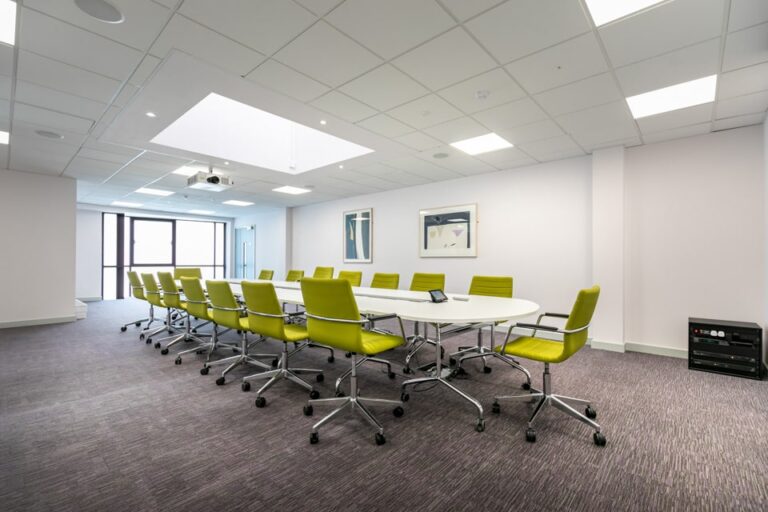
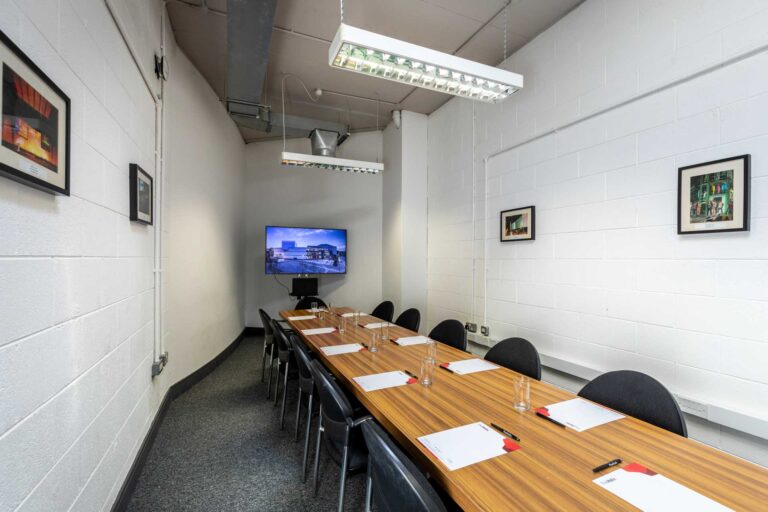
Planning a September event in Dublin is a great way to bring teams, clients or industry professionals together after the summer period. September often marks the return to a busier business calendar, with companies refocusing on targets, planning for the final quarter and preparing for the year ahead. That also means demand for meeting and conference space can increase, so good preparation matters.
Meet in DCU offers a range of meeting, conference and event spaces at Dublin City University, giving organisers the flexibility to plan everything from smaller team meetings and training sessions to larger conferences and corporate events.
If September is on your event calendar, here are some of the key things to consider.
Start Planning Early
September can be a busy month for corporate events. Teams return from annual leave, organisations restart training programmes and companies begin to focus on end of year priorities.
Booking early gives you a better chance of securing the date and type of space you need.
You do not need to have every detail confirmed before contacting a venue. Start with the basics, including your preferred date, approximate attendance and the type of event you want to host.
It is also worth having one or two alternative dates available. This can give you more flexibility if your first choice is already booked.
Be Clear About the Purpose of Your Event
Before selecting a room, decide what you want the event to achieve.
A leadership meeting will have different requirements from an industry conference. A training session may need tables, screens and space for group exercises, while a networking event might benefit from a more open setup.
- How many people will attend?
- Will attendees stay in one room all day?
- Do you need breakout spaces?
- Will speakers deliver presentations?
- Is networking an important part of the event?
- Will anyone join remotely?
Answering these questions helps you choose a venue setup that supports the event rather than working against it.
Choose the Right Space
The biggest room is not always the right room.
Think about how your delegates will use the space during the day. You want enough room for everyone to sit comfortably without making a smaller audience feel lost in a large venue.
For conferences, you may need a main presentation space along with smaller rooms for workshops or breakout sessions.
For meetings, a more compact room can make discussion easier.
Meet in DCU offers different event and meeting spaces, allowing organisers to select a setup based on the size and format of their event.
Plan Your Schedule Carefully
A good schedule helps your event run smoothly, but avoid trying to fill every minute.
Delegates need time to arrive, find the room, register and settle in.
If the event runs for several hours, include breaks. Morning coffee, lunch and afternoon refreshments can also give attendees valuable time to talk to each other.
Allow time between different sessions if people need to move between rooms.
It is also worth building a little flexibility into the programme. A presentation may run over or a question and answer session could generate more discussion than expected.
A schedule with some breathing room will be much easier to manage.
Think About Technology Early
Technology should be part of your planning from the beginning.
Consider what your speakers will need to deliver their presentations. This could include screens, microphones, presentation equipment or video conferencing facilities.
If people will join remotely, discuss this with the venue team before the event.
It is also useful to collect presentations from speakers in advance. Keeping copies of files together can make changeovers between sessions much easier.
Arrange a technical test for any remote speakers where possible. Confirm that they can connect, share their screen and hear what is happening in the room.
Plan Catering Around Your Programme
Food and refreshments can have a big impact on the delegate experience.
If people arrive early in the morning, tea and coffee can give them something to do while registration takes place.
For longer events, consider a morning break, lunch and afternoon refreshments.
Ask delegates about dietary requirements during registration rather than trying to collect this information at the last minute.
Your catering schedule should also match the programme. If lunch starts at 1pm, make sure the previous session has enough time to finish.
Give Delegates Clear Information
Good communication can prevent many problems on the day.
Send delegates practical information in advance, including:
- Event date
- Start and finish time
- Location
- Registration details
- Transport information
- Event schedule
- Anything they need to bring
Keep this information clear and easy to scan.
You can send a final reminder a few days before the event so attendees have everything they need in one place.
Prepare Your Speakers
Speakers should know exactly where they need to be and when.
Share their presentation time, expected session length and technical details in advance.
If you plan to include audience questions, tell them how much time has been allocated.
You can also ask speakers to arrive before their session so there is time to check presentations and equipment.
Clear communication with speakers helps reduce delays and keeps the programme moving.
Have a Plan for the Day
Before delegates arrive, your team should know who is responsible for each part of the event.
Decide who will look after registration, speakers, technology and general delegate queries.
Arrive early enough to walk through the venue, check signage and test presentations.
This gives you time to deal with any small issues before attendees begin arriving.
Plan Your September Event at Meet in DCU
A successful September event in Dublin starts with clear planning, the right space and a realistic schedule.
Meet in DCU provides conference, meeting and event facilities at Dublin City University for a range of professional events. From smaller meetings and training days to larger conferences, organisers can plan an event around their own requirements.
September is an important point in the business calendar, so planning ahead can help you secure your preferred date and create a smoother experience for everyone involved.
If you are organising an event in Dublin this September, speak to the Meet in DCU team about your plans, delegate numbers and event requirements.